
Chasing seafloor massive sulphides
The stark reality is that we are facing mineral shortage with severe impact on critical global supply chains.
Fundamentally the way we have done mining in the past does not bring minerals to the market quick enough. The average copper grade in the worlds largest copper mines are now running at a fraction of a percent compared to possibly 5-6% copper grade in sulphide deposits on the Norwegian seafloor.
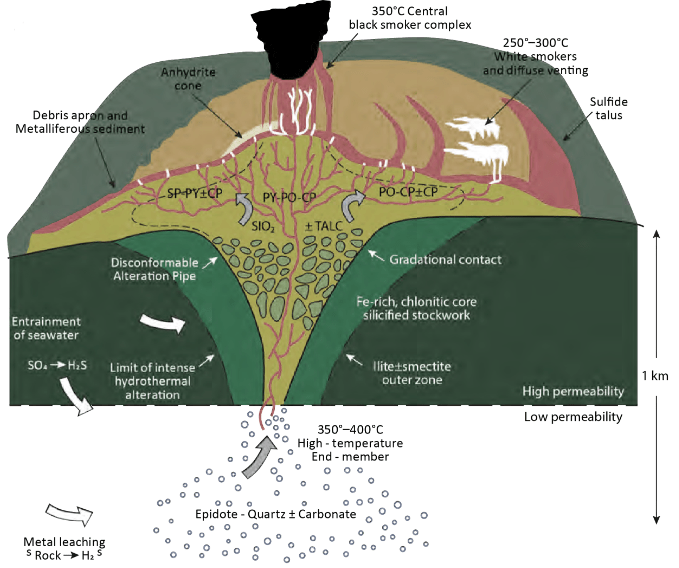
Polymetallic seabed massive sulphides form in oceanic tectonic settings and are rich in copper, but also in zinc, gold, silver and occasionally cobolt. NPD has since 2011 sampled data at the Mohn-Knipovich ridge between Jan Mayen and Svalbard that confirms the presence of high grade and widespread Copper and Zinc resources
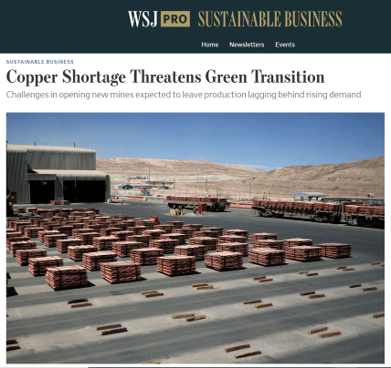
Demand for Copper is forecast to be high
According to McKinsey, global electrification is expected to increase annual copper demand to 37 million tonnes by 2031, compared to current demand of around 25 millin tonnes. An under supply gap of close to 20% is forecasted by several institutions.
 Quantum